
Cardiac Surgery
Cardiac Surgery
The Cardiovascular Institute's Division of Cardiac Surgery is home to talented cardiac surgeons who provide comprehensive care for patients with cardiac conditions. Our physician assistants and nurse practitioners are leaders in their respective fields, bringing decades of experience to the cardiac surgery division. All of our nurses are full time and certified by the Association of perioperative Registered Nurses. Our team has also been recognized as a platinum member of the EVH Leadership Circle by Guidant for our achievement in endoscopic vessel harvesting. This prestigious award recognizes our successful completion of thousands of EVH procedures over recent years.
CONDITIONS
Cardiac Stress Test
Cardiac Stress Test
Cardiac stress testing is used to evaluate patients for suspected or known coronary artery disease.Cardiac stress tests typically involve two components: stress testing and cardiac imaging.
Stress Test
The stress portion of the test is accomplished with either exercise or medication. During the test, you’ll walk on a treadmill that will steadily increase in speed and incline until you reach your goal heart rate. If you are unable to achieve this heart rate or to walk safely on the treadmill, a medication can be given to simulate a stress on the heart.
Cardiac Imaging
Depending on what your physician ordered, you will either have an echocardiogram or a nuclear scan. If an echocardiogram is used, the images will be obtained during your stress test when your heart rate is at goal. If a nuclear scan is ordered, a nuclear tracer will be injected prior to your stress test and a rest image of your heart is obtained. After your stress test, a stressed image of your heart is obtained for comparison to your heart at rest, helping your doctor identify differences and provide a diagnosis.
RELATED SERVICES
Cardiac CT
Cardiac CT
Cardiac computed tomography (CT) uses special X-ray equipment to produce high-resolution pictures of the heart. This is to detect or evaluate coronary heart disease, calcium buildup, problems with heart function and anatomy, pulmonary embolism and more. A CT exam is painless, fast and easy.
Before the Procedure
You should continue to take your usual medications, but avoid eating, caffeine and smoking for four hours prior to the exam. Patients should always inform their radiologist if there is any possibility they may be pregnant.
Wear comfortable, loose-fitting clothing to your exam. Metal objects, including jewelry, eyeglasses and dentures, may affect the CT images and should be left at home. You will be given a gown to wear and asked to remove jewelry, hearing aids and removable dental work. Patients will be asked to remove bras containing metal underwire.
Depending on the type of cardiac CT you are receiving, you may be given a medicine, either by mouth or IV, to slow your heart rate.
During the Procedure
The technologist begins by positioning you on the exam table, usually lying flat on your back. Straps and pillows may be used to help you maintain the correct position and remain still. Electrodes will be attached to your chest to record the electrical activity of the heart.
If your radiologist wants to use a contrast dye during your cardiac CT scan, an intravenous (IV) line will be put in a vein in your hand or arm and the dye will be injected into the IV line during the scan.
You will be alone in the room during the CT scan. Sometimes a parent may stay in the room with their child. However, the technologist will always be able to see, hear and speak with you through an intercom system.
The table will move quickly through the CT scanner, a large machine with a hollow, circular tube in the middle, to determine the correct starting position for the scans. Then the table will move slowly through the machine as the CT scan takes pictures of different parts of your heart.
Patients are asked to hold their breath for small moments while images are recorded. The entire scan is usually completed within 10 minutes.
After the Procedure
When the exam is complete, you will be asked to wait until the technologist verifies that the images are of high enough quality for accurate interpretation. Once this has been confirmed, you can return to your normal activities.
After the images have been interpreted, your radiologist or referring physician will discuss the findings with you. Depending on the results of the CT scan, additional tests or procedures may be scheduled to gather further diagnostic information.
RELATED SERVICES
Cardiac Catheterization
Cardiac Catheterization
Cardiac catheterization (often called cardiac cath), is a procedure in which a very small, flexible, hollow tube (called a catheter) is put into a blood vessel in the groin or arm and advanced through the vessel into the heart for the purpose of diagnosing and treating cardiovascular conditions.
The catheter is guided into the coronary arteries (the vessels that carry blood to the heart muscle) and contrast dye is injected to evaluate blood flow and check for blockages in the arteries, a condition known as coronary artery disease (CAD).
What is the purpose of cardiac catheterization?
- Clean coronaries (no obvious CAD)
- Non-obstructive CAD (medical management)
- Obstructive CAD (may benefit from coronary stenting or coronary artery bypass grafting surgery)
What to Expect
A cardiac cath procedure can be done on an outpatient basis or as part of a hospital stay. The patient receives a sedative medication through an IV, but stays awake during the procedure. A local anesthetic is injected into the skin where the catheter will be inserted, typically in the groin area or wrist.
Once the procedure is done, the catheter is removed and the insertion site is closed. The patient is then taken to the recovery area for close monitoring of his or her vitals.
Bed rest after catheterization
Bed rest lasts until the introducer (tube) is removed (anywhere from 4 to 12 hours). After the recovery period, the patient is discharged home unless the doctor decides otherwise.
RELATED SERVICES
Cancer Care

Comprehensive Cancer Care
At LifeBridge Health, we believe survivorship begins the day of diagnosis. From those first conversations through treatment and recovery, your care is planned with the understanding that cancer affects more than physical health. Decisions reflect your diagnosis while also considering how treatment may affect mental and emotional well-being, relationships and daily routines.
We offer comprehensive cancer care for both children and adults. Our specialists work across disciplines to build a personalized care plan based on your diagnosis, goals and preferences. Care may include screening and diagnostic services, advanced therapies, clinical trials and supportive services, with plans adjusting over time as needs change.
Whether you are seeking evaluation, newly diagnosed or continuing care, we’re here to help you understand your options and move forward with confidence.

Five Care Centers,
One Team-Based Approach
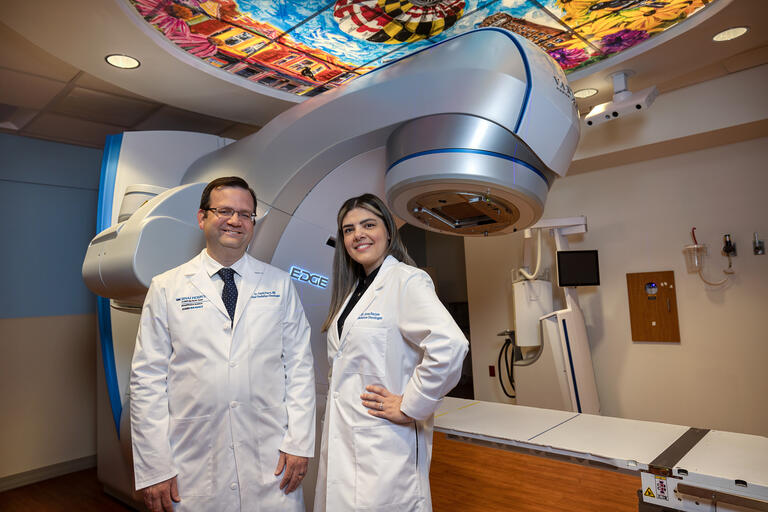
Our experts represent every major area of cancer care, including medical oncology and hematology, surgical oncology and radiation oncology. Each physician is supported by a dedicated care team.
For patients and families, this means more thoughtful, complete care. Your team brings multiple perspectives to treatment planning, considers every aspect of your experience and responds quickly when questions or concerns come up.
This team typically includes:
- A physician who specializes in your type of cancer or blood disorder
- Advanced practice providers (APPs) who support treatment and follow-up care
- Nurse navigators who help with appointments, records and next steps
- A survivorship and wellness team focused on your long-term health and quality of life
When needed, your team also works with specialists in pathology, radiology and interventional services. This helps provide seamless care from one visit to the next.
A Commitment to Quality
LifeBridge Health is recognized by the American College of Surgeons for high standards in cancer care and surgical quality.

Accreditations from the American College of Surgeons:
- Commission on Cancer Accreditation as an Integrated Network Cancer Program (INCP)
- LifeBridge Health System, including Sinai, Northwest and Carroll hospitals
- Surgical Quality Partners (SQP)
- Sinai, Northwest and Carroll Hospitals
- National Accreditation Program for Breast Centers (NAPBC)
- Center for Breast Health – Carroll Hospital
What to Expect as a New Patient
Our commitment is to compassionate, innovative and comprehensive care, with a focus on removing barriers in the communities we serve.
At our cancer centers, you can expect:

Timely access to care
New patient appointments are often scheduled within 5 days.

Help navigating the process
Intake coordinators and nurse navigators assist with scheduling, records, referrals and insurance questions.

Clear communication
Your care team explains your diagnosis and treatment options in plain language and supports shared decision-making.
Cancers and Conditions We Treat
LifeBridge Health provides care for a wide range of cancers and blood disorders, including common, rare and complex diagnoses.
- Breast cancer
- Lung cancer
- Gastrointestinal cancers
- Esophageal cancer
- Stomach cancer
- Liver cancer
- Gallbladder cancer
- Bile duct cancer
- Pancreatic cancer
- Appendix cancer
- Colon cancer
- Rectal Cancer
- Anal cancer
- Gynecologic cancers
- Ovarian cancer
- Uterine cancer
- Endometrial cancer
- Cervical cancer
- Urologic cancers
- Kidney cancer
- Bladder cancer
- Prostate cancer
- Penile cancer
- Testicular cancer
- Blood cancers
- Leukemia
- Lymphoma
- Multiple myeloma
- Myeloproliferative neoplasms
- Benign blood disorders
- Iron deficiency and anemia
- Sickle cell disease
- Monoclonal gammopathy of undetermined significance (MGUS)
- Blood clots and deep vein thrombosis (DVT)
- Skin cancers
- Basal cell carcinoma
- Squamous cell carcinoma
- Melanoma
- Merkel cell carcinoma
- Head and neck cancer
- Soft tissue sarcomas
- Rare tumors
- Brain cancer
- Thyroid cancer
- Adrenal cancer
- Mesothelioma
- Pediatric hematology and oncology

Treatments We Offer
Your care plan is tailored to you. Based on your diagnosis, overall health and goals for care, your team may recommend one or more of the following treatments.

Chemotherapy
Chemotherapy uses medication to kill cancer cells or slow their growth. It may be given by infusion, injection or oral medication.
Immunotherapy
Immunotherapy helps the immune system recognize and attack cancer cells. These medications are often given by infusion or injection and require close monitoring by your care team.
Hormone and Targeted Therapies
These therapies treat cancers driven by hormones or specific molecular features. They are chosen based on your test results and monitored over time.
Radiation Therapy
Radiation uses high-energy beams to destroy cancer cells. Treatment is carefully planned using imaging and delivered over a series of sessions. Radiation may be internal or external, depending on your needs.
Surgery
Surgery may be used to diagnose cancer, determine its stage or remove cancerous tissue. Procedures may be open or minimally invasive.

Clinical Trials
LifeBridge Health partners with national cancer research organizations to offer access to clinical trials. These studies help advance prevention, diagnosis, treatment and supportive care. They may also provide access to promising therapies before they are widely available.
Care teams review available trials during treatment planning for both early- and late-stage cancers. Participation is always optional, and patients are encouraged to ask questions and take the time they need to decide what feels right for them.
Support Services
Cancer affects more than the body. Our support services help address the physical, emotional and practical challenges that can come with a diagnosis.

Breast Care Centers
Breast Care Centers
Comprehensive breast care from screening through survivorship, with integrated support services
Cancer Counseling Services
Emotional and mental health support for patients and families, provided by licensed counselors and social workers
Cancer Risk and Genetic Assessment
Evaluation and testing to understand inherited risk
Integrative Therapies
Integrative Therapies
Offered through the Tevis Center for Wellness to support comfort and stress management
Oncology Nutrition
Oncology Nutrition
Nutrition counseling to support strength, immune health and recovery
Patient and Family Advisory Council
Opportunities to share feedback and help shape cancer programs
Second Opinion Service
Expert second opinions and referrals to support confidence in care decisions
The Dr. Michael J. Schultz Cancer Survivorship Program
The Dr. Michael J. Schultz Cancer Survivorship Program
Ongoing support after treatment, including mentorship and healing therapies
Hematological Cancers Program
Specialized care for blood cancers and disorders
Teaser Title
Access to personalized care, experienced physicians and innovative cancer treatment
CTA