
Clinical trials play an important role in improving cancer prevention, diagnosis and treatment. For some patients, taking part may offer access to new therapies that are not yet widely available. Your care team can help determine whether a clinical trial may be an option and explain what participation involves.

Expert Surgical Care for Cancer
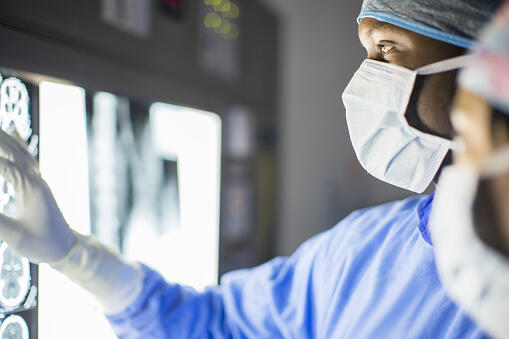
For many patients, surgery is a central part of cancer care. It can help confirm a diagnosis, guide treatment decisions, and, in many cases, safely and effectively remove the disease. Surgery may be used on its own or as part of a broader treatment plan.
At LifeBridge Health, cancer surgeons provide care that is both technically advanced and carefully coordinated. From your first consultation through recovery and follow-up, you can expect clear communication, thoughtful planning, and a team approach designed to support your long-term health.
Our Approach

Cancer surgery never happens in isolation. Your surgical team works closely with pathologists, medical oncologists, radiation oncologists and other specialists to fully understand your diagnosis and determine how surgery fits into the overall care plan. Recommendations are guided by national standards of care and the latest research, and advanced techniques and technologies are used whenever they can support the best possible outcomes.
That careful planning continues beyond the operating room. Oncology nurse navigators help patients and families stay oriented by coordinating appointments and serving as a consistent point of contact. Support services are available across LifeBridge Health to address physical symptoms, emotional challenges and everyday needs throughout treatment.
Our Team
As an American College of Surgeons Surgical Quality Partner, LifeBridge Health is committed to the highest standards in surgical care. Our team includes surgical oncologists who are specially trained in cancer care, as well as surgeons with expertise in treating specific parts of the body. Working alongside nurses, physicians and researchers, they deliver coordinated care for patients across Maryland.







When Surgery May Be Recommended

Surgery can play several important roles in cancer care. It may be recommended to:
- Confirm or clarify a diagnosis by removing tissue or lymph nodes for evaluation
- Remove cancer when tumors are localized or potentially curable
- Reduce tumor size when cancer cannot be fully removed
- Support other treatments, such as chemotherapy or radiation therapy
- Relieve symptoms such as pain, bleeding or blockages
- Help restore appearance or function after cancer treatment
Your care team will explain why surgery is recommended in your situation and how it fits into your overall treatment plan.
Surgical Techniques and Approaches
Cancer surgery includes many different procedures, ranging from diagnostic biopsies to operations that remove part or all of a tumor. The specific procedure—and the way that procedure is performed—depends on the type of cancer, where it is located, how far it has spread and your overall health.
Minimally Invasive Surgery
For some patients, cancer can be treated using minimally invasive surgery. This approach uses smaller incisions and specialized tools, along with cameras that allow surgeons to see the surgical area clearly. By working through smaller openings, surgeons can remove cancer while limiting impact on nearby tissue. When appropriate, this approach may result in less pain after surgery, shorter hospital stays and a quicker recovery.
Open Surgery
In many cases, open surgery is the best option for treating cancer. This approach involves a larger incision, giving surgeons direct access to the tumor and nearby structures. Open surgery may be recommended for cancers that are larger, more complex or located in areas that require a wider view to ensure safe and complete treatment.
Reconstructive Surgery
After cancer is removed, some patients may benefit from surgery to help restore appearance or function. Reconstructive surgery can address changes caused by cancer treatment and may improve comfort, movement or body image. These procedures can be done at the same time as cancer surgery or planned for a later date, depending on individual needs and preferences.
What to Expect
While every patient’s experience is unique, most surgical care follows a similar process.
Before Surgery
You will meet with your surgeon to review your diagnosis, discuss the recommended procedure and ask questions. Sometimes this visit is with your entire care team, including your medical and/or radiation oncologists. They may order imaging, bloodwork, or other tests to help plan surgery and ensure it can be performed safely. You will also receive clear instructions on preparing for the day of surgery.
The Day of Surgery
On the day of surgery, you will arrive at the hospital and be guided through check-in and preparation. You will meet your surgical and anesthesia teams, who will review the plan and answer any last questions. During surgery, you will be closely monitored by experienced medical professionals.
After Surgery
You will recover under medical supervision while your care team monitors your comfort and healing. Pain management will be tailored to your needs. Depending on the procedure, you may go home the same day or stay in the hospital for a short period. Before discharge, you will receive instructions for care at home and guidance on next steps.
Follow-Up Care
The relationship you build with your surgical team doesn’t end when surgery is over. Follow-up visits allow your surgeon to check healing, review surgical findings when applicable and talk through next steps. If additional treatment is recommended, your team works closely with medical and radiation oncologists to ensure your care continues smoothly. You’ll know who to contact with questions as you recover and move forward.
Conditions We Treat
Our surgical oncologists care for patients with many types of cancer, with focused expertise in:
- Breast cancer
- Colorectal cancer
- Gynecologic cancers
- Thoracic (lung and chest) cancers
Clinical Trials
Supportive Services
When you receive cancer care at LifeBridge Health, you have access to supportive services like counseling, integrative therapies and support groups. These resources are designed to help patients care for their physical and emotional well‑being throughout treatment and beyond.
WHERE TO FIND US
Hospital
The Alvin & Lois Lapidus Cancer Institute at Sinai Hospital
2401 W. Belvedere Ave.
Baltimore, MD 21215
United States
Hospital
William E. Kahlert Regional Cancer Center at Carroll Hospital
291 Stoner Ave.
Westminster, MD 21157
United States
LifeBridge Health cancer surgeons perform procedures at satellite locations across Maryland. View the full list of providers and locations here.