
Otolaryngology (Ear, Nose, Throat)
Otolaryngology (Ear, Nose, Throat)
Adenoidectomy – removal of infected or enlarged adenoids, which are tissues in the back of a child’s nasal cavity. The adenoids are similar to tonsil tissue and perform the same function. They may be removed if your child is experiencing problems such as recurrent ear infections or obstructed breathing. This procedure may be performed with or without a tonsillectomy.
Myringotomy (pediatric and adult ear tubes) – a procedure in which tiny tubes are placed in the ear drum to permit air flow to the middle ear. This procedure is used to help people with chronic ear infections and/or fluid in the middle ear.
Neck and throat surgery for cancer – doctors use a variety of surgical procedures to remove cancerous cells in the throat, nasal passages, mouth or lips, often in conjunction with radiation therapy and/or chemotherapy.
Parathyroidectomy – surgical removal of one or more of the parathyroid glands. The parathyroid gland regulates the level of calcium in the blood and may require removal if the calcium level is markedly elevated.
Parotidectomy – surgery performed on the parotid gland, which is the largest gland producing saliva to aid in food digestion. Surgery is often indicated when there is an infection that cannot be treated more conservatively or if there is a tumor.
Repair of nasal fractures – a nose that has been broken badly enough to need repositioning can be surgically repaired to improve function and appearance.
Sinus surgery – a procedure that removes diseased sinus tissue and reroutes the affected sinus to improve airflow and drainage. Most sinus surgery is performed endoscopically to avoid the need for incisions through the skin. Computer mapping may be used to improve visualization, particularly for patients with repeated sinus surgery.
Thyroidectomy – surgical removal of all or part of the thyroid gland, often to treat hyperthyroidism (overactive thyroid), enlarged nodules, thyroid cancer, or an enlarged thyroid that is causing difficulty swallowing or breathing. Our surgeons use electronic nerve monitoring to protect your voice.
Tonsillectomy – the removal of infected or enlarged tonsils, which are collections of lymphoid tissue (immune cells) in the back of the throat, to treat chronic or recurrent tonsillitis, sore throat, obstruction of the upper airway or dental issues. Your doctor may use Coblation, a technique using radiofrequency (RF) to carefully remove affected tissue while preserving healthy tissue.
RELATED SERVICES
Osteoporosis
Osteoporosis
Osteoporosis is a condition in which the bones become thin, brittle and weak. These changes can increase the risk of fractures. Fractures can lead to disability. Fractures caused by osteoporosis have been linked to an increased risk of death.
Osteoporosis occurs five times more often in women than in men. Estrogen, a female hormone, protects against bone loss. After menopause, the ovaries produce very little estrogen. This triggers a period of rapid bone loss in women that starts one year before the final menstrual period and lasts for about three years. The natural effects of aging on bones may contribute to this bone loss as well.
Risk Factors
The following factors cause or contribute to osteoporosis and fractures:
- Certain medications
- Diseases such as inflammatory bowel disease, rheumatoid arthritis and lupus
- Low calcium intake
- Vitamin D insufficiency
- Excess vitamin A
- High caffeine intake
- High salt intake
- Aluminum (in antacids)
- Alcohol (three or more drinks per day)
- Inadequate physical activity or being immobile
- Smoking (active or passive)
- Falling
- Being thin
Symptoms
Osteoporosis may not cause any symptoms for decades. However, some signs and symptoms do occur as the disease progresses. As the spinal bones weaken, they can fracture. Fracture in the front part of the spinal bones can result in loss of height or a slight curving of the spine. This type of spinal fracture often causes no pain. Sometimes, fractures of the spine can cause pain that travels from the back to the sides of the body.
Diagnostics
In a bone mineral density (BMD) test, bone density is measured at the heel, spine, hip, hand or wrist. Several types of BMD tests are available. Dual-energy X-ray absorptiometry (DXA) of the hip and spine is considered to be the most accurate BMD test available.
All women aged 65 years or older should have a BMD test. Younger women and those past menopause should have a BMD test if they have had a bone fracture because of fragile bones or have other risk factors for osteoporosis, such as rheumatoid arthritis, smoking, alcoholism, a history of hip fracture in a parent or a body weight less than 127 pounds. During a DXA scan, you lie down for 3–10 minutes while a machine scans your body. With this test you are exposed to a small amount of radiation, less than the amount in a normal chest X-ray.
After the test, a T-score is given for each site measured. A negative score means that you have thinner bones than an average 30-year-old woman. A positive score means that you have stronger bones than an average 30-year-old woman. If the T-score at any site is -1 to -2.5, you have a low BMD and are at increased risk of osteoporosis. A score of -2.5 or lower means that you have osteoporosis. Treatment usually is recommended to prevent fractures.
Treatments
Various medications are used to treat osteoporosis and help reduce the risk of fractures. Some can be used for prevention.
Lifestyle plays a key role in preventing osteoporosis. Exercise, a healthy diet and not smoking can help keep your bones strong and healthy throughout your life.
Exercise increases bone mass before menopause and slows bone loss after menopause. Bone is living tissue and exercise makes it grow stronger. The Centers for Disease Control and Prevention recommend that healthy adults get 150 minutes of exercise a week, which works out to be about 30 minutes on most days of the week.
Weight-bearing exercises can help keep bones strong. Weight-bearing exercises are activities performed while standing and that require your muscles and bones to work against gravity. An example is brisk walking. Non-weight-bearing exercises, such as Tai Chi, Yoga and Pilates, can build endurance and improve balance and posture, thereby reducing your risk of falls. Strength training also is good for bones. In this type of exercise, muscles and bones are strengthened by resisting against weight, such as your own body, an exercise band or handheld weights.
Calcium is important to building and maintaining healthy bones. Vitamin D helps the body absorb calcium. To increase your daily levels of calcium, eat a variety of calcium-rich foods like dark, leafy greens; yogurt, milk and cheese; and canned fish with soft bones, like salmon and sardines. You can increase your intake of vitamin D by eating foods fortified with vitamin D (orange juice, cereal and milk). You also can get vitamin D by being in the sun for 15 minutes a few days a week.
RELATED SERVICES
MD Orthopedic Care
Leading Orthopedic Care
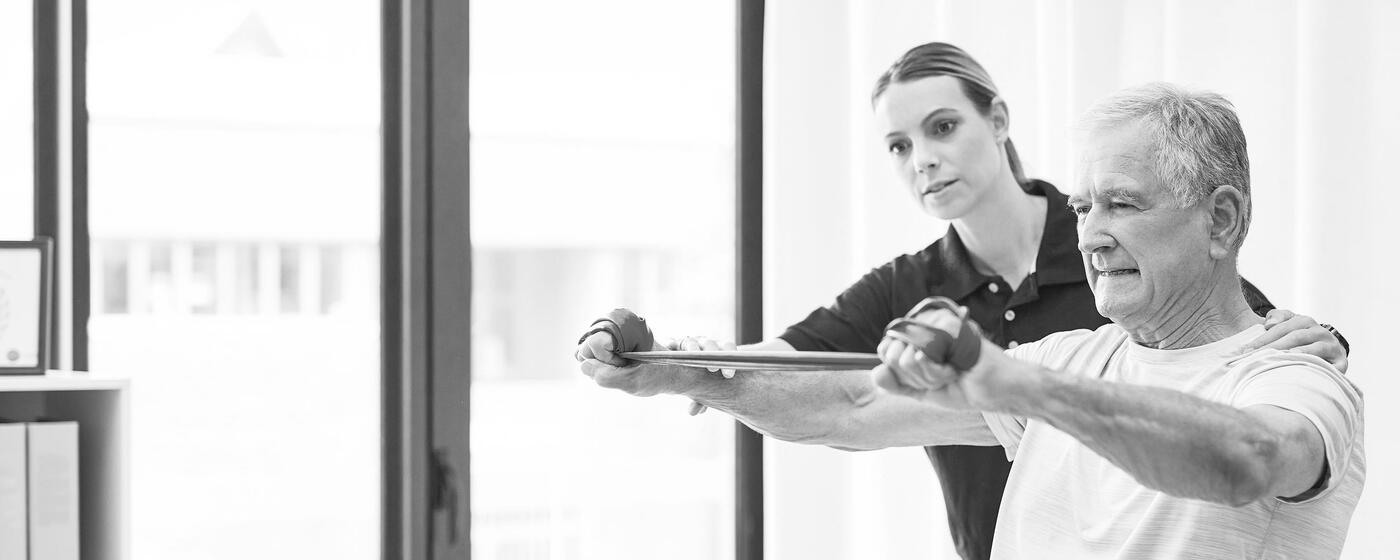
The Rubin Institute for Advanced Orthopedics is home to internationally renowned and award-winning orthopedic surgeons and specialists that provide the complete spectrum of care – from diagnosis to treatment to rehabilitation – for both adults and children.
Our orthopedic medical team is comprised of 250 clinicians who perform over 5,700 procedures and conduct more than 60,000 office visits annually for both general and specialized orthopedic needs. We exhaust all non-operative treatment options before recommending surgery. Should surgery be necessary, patients will benefit from our expert surgeons and our highly specialized teams that practice exclusively in orthopedics. We take pride in our team’s expertise and compassionate, patient-focused care.

Our Services
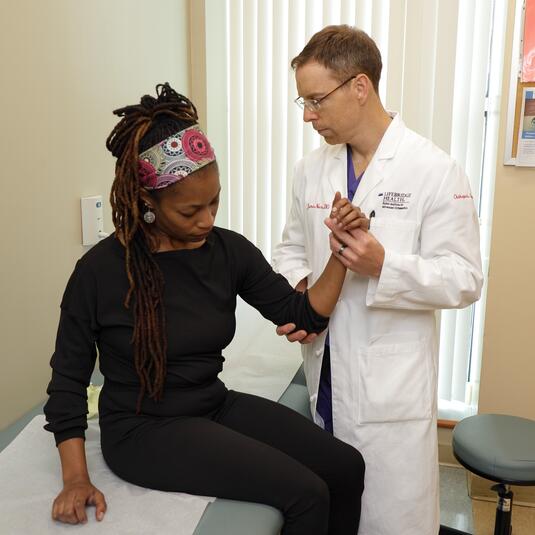
Our board-certified physicians provide world-class treatment for general orthopedic issues and solutions for the most complex orthopedic disorders. We routinely treat conditions that many consider untreatable. Our comprehensive orthopedic services include:
Centers of Orthopedic Excellence
Four Centers of Excellence, One Team-Based Approach
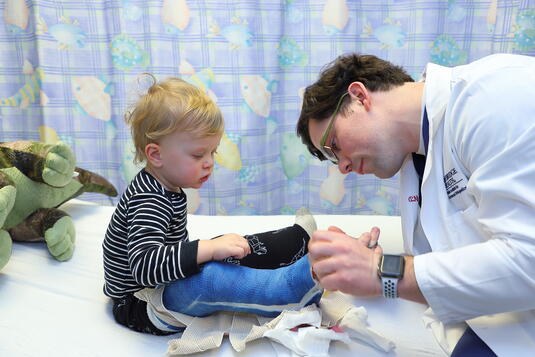
We provide world-class care from experts who make use of the most advanced techniques and technologies to help you achieve your best possible outcome. Explore our areas of expertise and learn more about the specialized orthopedic programs we offer:


Clinical Research Division
The Clinical Research Division aims to improve patients’ orthopedic outcomes through advanced clinical trials and cutting-edge research.



Physician Education
Physician education is central to the Rubin Institute’s mission. Learn more about how we advance the science of orthopedics through our physician education programs.
Related Blogs and News Releases
Teaser Title
Getting you back to doing what you love
CTA