
Clinical trials play an important role in improving cancer prevention, diagnosis and treatment. For some patients, taking part may offer access to new therapies that are not yet widely available. Your care team can help determine whether a clinical trial may be an option and explain what participation involves.
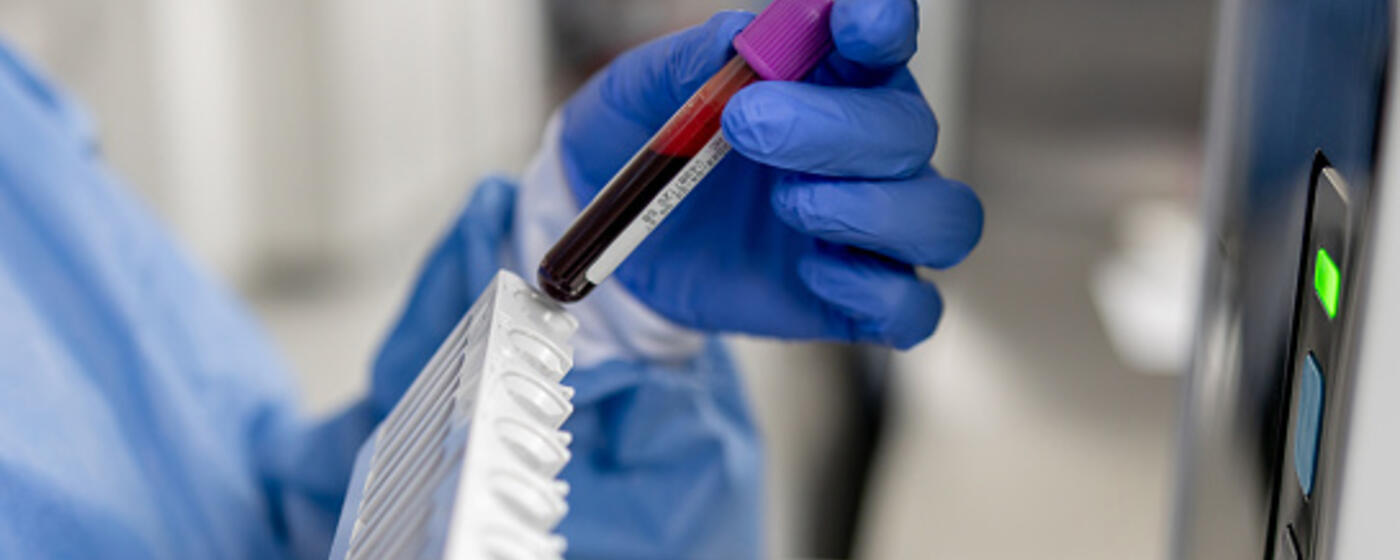
Expert Treatment Planning, Compassionate Care

Medications that work throughout the body play an important role in treating many cancers and blood disorders. For some patients, medication is the only treatment. For others, it is one part of a care plan that may also include surgery, radiation or other therapies.
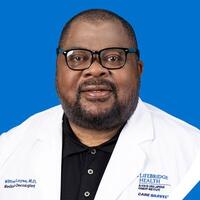
The specialists who guide these decisions include hematologists, who treat conditions of the blood and bone marrow, and medical oncologists, who focus on cancer. At LifeBridge Health, these physicians care for both children and adults. They design treatment plans that are personalized, closely monitored, and adjusted over time to support safe, effective care.
Our Approach
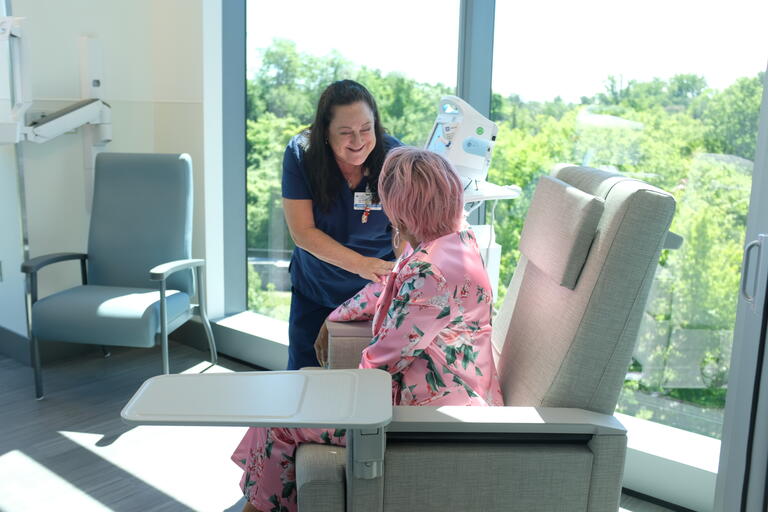
As a community health system, LifeBridge Health works to provide quality care close to home. Our hematology and medical oncology program builds on that commitment by tailoring services to the people we serve. This includes access to multidisciplinary clinics and tumor boards, a specialized sickle cell program, and wellness and survivorship services that support patients at every stage of care.
That care is delivered by a multidisciplinary team. Your hematologist or oncologist works closely with the other doctors, nurses and navigators to determine how medication fits into your overall treatment plan. This coordinated approach helps ensure you get the right care at the right time, including access to advanced therapies and clinical trials.
Beyond medical care, patients and families have access to supportive services like integrative therapies, nutrition, genetics, social work and support groups.
Our Team
LifeBridge Health is accredited by the American College of Surgeons as an Integrated Network Cancer Program. This means our physicians work together to provide coordinated cancer care across the system.






When Medication May Be Recommended

Most medications used to treat cancer and blood disorders are systemic, meaning they travel through the bloodstream. This is especially helpful when cancer has spread or when the blood itself is affected.
Cancer medications may be used to:
- Treat the disease
- Shrink solid tumors before or after surgery or radiation
- Destroy remaining cancer cells after other treatments
- Slow cancer growth or spread
- Relieve symptoms and improve comfort
For blood disorders, medications are often used to:
- Support or restore healthy blood counts
- Prevent or treat blood clots
- Manage bleeding disorders
- Treat blood-related cancers such as leukemia or multiple myeloma
- Relieve symptoms and improve comfort
Treatments We Offer
Treatments are recommended based on your diagnosis, overall health and goals for care. Our physicians use well-established therapies and newer options when appropriate.
Chemotherapy
Chemotherapy uses medication to kill cancer cells or slow their growth.
It may be given:
- Through a vein (infusion therapy)
- By injection
- As an oral medication (pill or capsule)
- Less commonly, as a cream applied to the skin
In some cases, chemotherapy is delivered to a specific part of the body to focus treatment.
Even with targeted approaches, side effects can occur. Some people experience fatigue, nausea, hair loss or changes in blood counts, while others have mild or no side effects. Your care team explains what to expect, monitors you closely and adjusts medications or doses as needed. Supportive treatments, including medications and integrative therapies, are available to help make chemotherapy more manageable.
Immunotherapy
Immunotherapy helps the immune system recognize and fight cancer.
Most treatments are given through IV infusion, though some are taken by mouth.
Many people experience side effects during immunotherapy, but they are often mild. They are usually related to inflammation or autoimmune responses in the body. Your care team reviews warning signs with you and responds early if concerns arise.
Targeted Therapy
Targeted therapy uses medications designed to act on specific features of cancer cells, such as genetic changes or proteins. These treatments are used only when testing shows they are likely to be effective.
Targeted therapies may be taken as pills or given by IV infusion.
Some side effects are shared across targeted therapies, such as diarrhea or fatigue, but they can vary widely by medication. Your care team explains what to expect and provides ongoing support during treatment.
Hormone Therapy
Hormone therapy is used to treat cancers that rely on hormones to grow, including many breast and prostate cancers. These medications work by lowering hormone levels or blocking hormones from fueling cancer cells.
Hormone therapy is often taken over months or years and is usually given as pills or injections.
Side effects can develop gradually and may include hot flashes, fatigue, mood changes or bone thinning. Your care team checks in regularly during treatment, helps manage symptoms as they arise and adjusts therapy when needed to support both effectiveness and day‑to‑day well‑being.
Supportive Infusion Therapies
In addition to cancer treatments, our infusion centers offer supportive therapies. These may include:
- Infusion therapies for chronic medical conditions
- Blood transfusions
- Growth factor support
- IV fluids for hydration
This care is coordinated with specialists across our community, including neurologists, rheumatologists and other providers.
What to Expect
While every care plan is personalized, many of our patients receive outpatient treatment at The Alvin & Lois Lapidus Cancer Institute or William E. Kahlert Regional Cancer Center. Their infusion centers provide specialized care in a comfortable, same‑day setting.
Before Treatment
After a diagnosis or referral, intake coordinators begin gathering records and coordinating next steps. In many cases, patients are contacted within one business day of results becoming available.
Your first visit is a consultation with your hematologist or oncologist to review test results and treatment options. Education sessions are available to help you understand your medications and treatment schedule.
During Treatment
Infusion therapy is provided in private or shared treatment bays, based on your preference. Experienced oncology nurses give medications and monitor you throughout your visit. Treatment length varies, and many patients read, rest or use personal devices during this time.
If your treatment requires a different delivery method—such as pills, injections or inpatient care—your care team will explain what that looks like.
After Treatment
Before you leave, your care team reviews a visit summary, instructions for home care and reminders for upcoming appointments. Your team remains available between visits to answer questions or address concerns.
Conditions We Treat
We provide treatment and long-term care for patients with solid tumors, blood cancers, and chronic or benign blood disorders.
Clinical Trials
Supportive Services
When you receive cancer care at LifeBridge Health, you have access to supportive services like counseling, integrative therapies and support groups. These resources are designed to help patients care for their physical and emotional well‑being throughout treatment and beyond.
WHERE TO FIND US
Hospital
The Alvin & Lois Lapidus Cancer Institute at Sinai Hospital
2401 W. Belvedere Ave.
Baltimore, MD 21215
United States
Hospital
William E. Kahlert Regional Cancer Center at Carroll Hospital
291 Stoner Ave.
Westminster, MD 21157
United States