Important Message:

Masking is now required in all LifeBridge Health hospitals. Please do not visit a patient if you are feeling sick, have cold/flu symptoms or have recently been exposed to someone who is sick.  If you are sick and looking for convenient care, see our virtual treatment options here.

""

Pediatric Neurology

Neurology Services Tailored To Meet Your Child’s Unique Needs

Total Neuro Care for Children

The Division of Pediatric Neurology at the Herman & Walter Samuelson Children’s Hospital comprises neurologists, neuropsychologists, and occupational, speech-language and physical therapists. This team evaluates and provides comprehensive care for children with various neurologic disorders.  


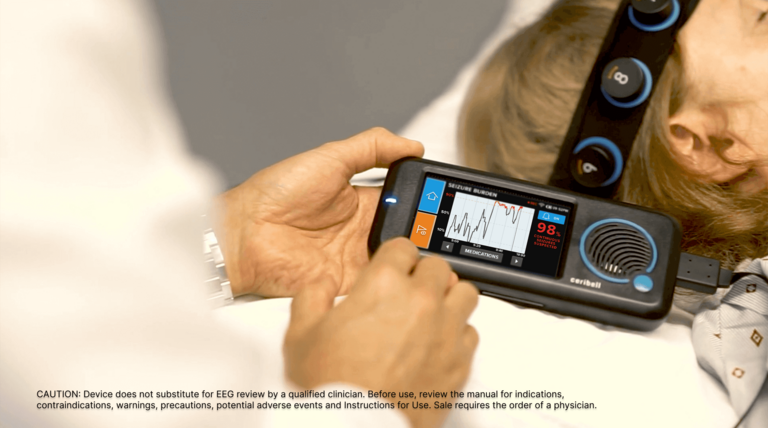
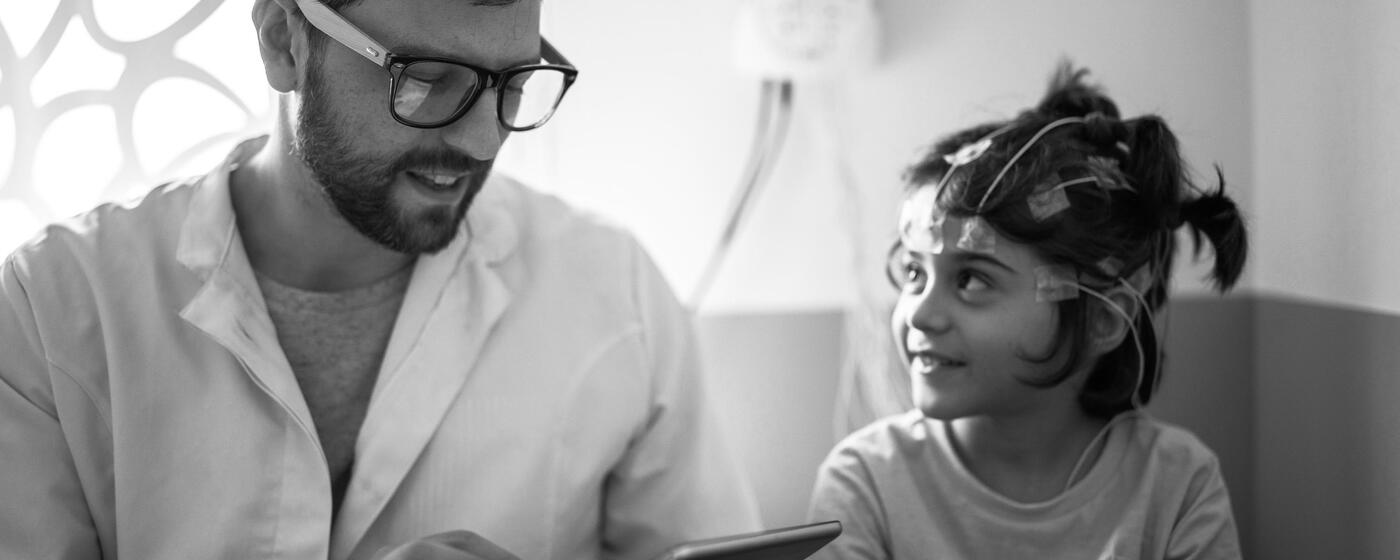
Though we treat most disorders through medication and therapy, LifeBridge Health neurologists are equipped to provide a range of specialized services. We offer electroencephalography, electromyography, neurology imaging and neuropsychology assessments. EEGs, in particular, can be provided in our hospital, at our outpatient clinic and via home visits.   

Patient working with a neurological doctor

Epilepsy & Seizure Disorders

Our child neurology team provides comprehensive care for infants, children, and adolescents with epilepsy and seizure disorders. We partner closely with families to understand each child’s seizures, identify possible causes, and develop an individualized treatment plan.

What Is Epilepsy?

Epilepsy is a condition in which a child has a tendency to have recurrent, unprovoked seizures. Seizures can look very different from one child to another, and not all seizures involve shaking or loss of consciousness. Part of our role is helping families understand what events are seizures and what are not.

Types of Seizures We Evaluate and Treat

We care for children with many seizure types, including:


  • Absence seizures (staring spells with brief pauses in activity)
  • Focal seizures, which start in one area of the brain and may cause changes in awareness, movement, or sensation
  • Generalized seizures, including convulsive seizures affecting the whole body
  • Infantile spasms, a seizure type seen in infancy that requires urgent evaluation
  • Febrile seizures, which occur with fever in young children
  • Nocturnal seizures, occurring during sleep
  • Reflex seizures, triggered by specific stimuli in some ch

Types of Epilepsy Syndromes

Some children are diagnosed with a specific epilepsy syndrome based on age, seizure type, EEG findings, and genetics. These may include:


  • Childhood absence epilepsy
  • Focal epilepsy
  • Genetic generalized epilepsy
  • Epileptic encephalitis, which can affect development
  • Epilepsy related to genetic or metabolic conditions


Identifying the type of epilepsy helps guide treatment decisions and long-term planning.

Evaluation and Treatment

Our evaluation may include EEG testing, imaging such as MRI or CT scan, and genetic testing when appropriate. Treatment plans are individualized and may include antiseizure medications, lifestyle guidance, and seizure safety planning. We help families understand medication choices, possible side effects, school considerations, activity guidance, and emergency action plans.


For children with difficult-to-control seizures, we coordinate advanced testing and multidisciplinary care. Ongoing follow-up and education are central to epilepsy management.

Evaluation and Treatment

We provide multiple types of EEG testing based on a child’s symptoms and clinical needs:


  • Office-based EEGs
  • Hospital EEGs
  • Overnight EEG monitoring in the hospital
  • Overnight EEGs performed at home
  • Rapid-response EEGs in the emergency room for urgent seizure evaluation

Genetic Testing

When appropriate, we offer advanced genetic testing, including Whole Exome Sequencing (WES) and Whole Genome Sequencing (WGS), to help identify underlying causes and guide care.

Headaches & Migraines

We evaluate and treat children and adolescents with headaches and migraines that affect daily life, school performance, or overall well-being. Our goal is to reduce headache frequency and severity while helping children return to normal activities.

Common Types of Headaches We See

We care for children with many headache patterns, including:


  • Migraine headaches, with or without visual or sensory aura
  • Tension-type headaches
  • Chronic daily headaches
  • Headaches related to sleep, stress, hydration, or screen use

Evaluation

Evaluation focuses on understanding headache frequency, duration, triggers, and associated symptoms such as nausea, vomiting, light sensitivity, sound sensitivity, or visual changes. We also assess for warning signs that may require further testing and provide reassurance when headaches are benign.

Treatment Approach

Treatment plans are individualized and may include:


  • Lifestyle and trigger management
  • Headache diaries to track patterns
  • Preventive strategies to reduce frequency
  • Medications for acute headache relief when needed
  • Preventive medications for frequent or severe migraines


We place strong emphasis on education so families understand how to manage headaches at home and when to seek further care.

Ongoing Care

Headache management often evolves over time. We work with families to adjust treatment plans as children grow, school demands change, and triggers shift.

Other Conditions

Developmental Delays

We assess children with delays in motor skills, speech and language, learning, or overall development. Our goal is to identify possible neurologic causes and help guide families toward supportive therapies and services. We work closely with early intervention programs, schools, and other specialists as needed.

Neuromuscular Conditions

We evaluate children with muscle weakness, low muscle tone, muscle stiffness, or nerve disorders that affect strength, movement, or endurance. Care focuses on diagnosis, monitoring progression, and coordinating supportive therapies and specialty care.

Movement Disorders

We see children with abnormal movements such as tremors, tics, dystonia, or coordination difficulties. Evaluation helps determine the cause of the movements and whether treatment or monitoring is needed.

Cerebral Palsy

We provide ongoing neurologic care for children with cerebral palsy. Our focus is on maximizing function, comfort, and quality of life, while coordinating care with therapists, rehabilitation specialists, and other providers.

Bell’s Palsy

We evaluate and treat sudden facial weakness in children. Care includes confirming the diagnosis, discussing expected recovery, providing guidance on eye protection, and arranging follow-up as needed.

Genetic and Metabolic Neurologic Conditions

We assess children with neurologic conditions that may have a genetic or metabolic cause. Identifying an underlying diagnosis can help guide treatment, anticipate future needs, and support family counseling.

WHERE TO FIND US

Practice

Sinai Pediatric Neurology Associates - Baltimore

5051 Greenspring Ave.
Suite 202
Baltimore, MD 21208
United States

410-601-8300
Practice

Sinai Pediatric Neurology Associates - Loch Raven

8000B Loch Raven Blvd.
B
Towson, MD 21286
United States

410-601-8300