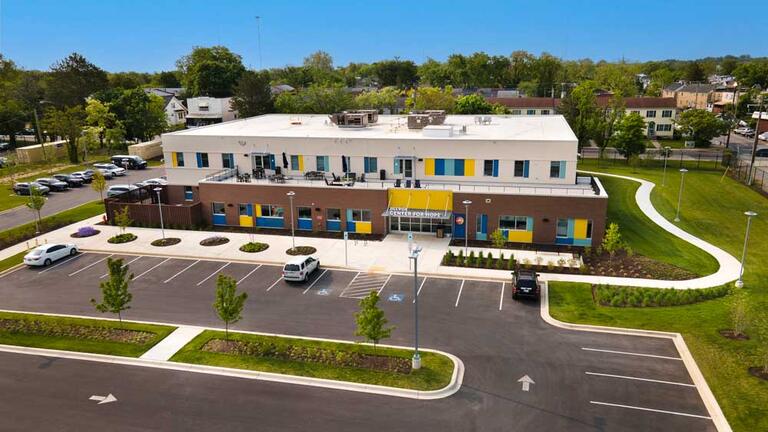
Center for Hope’s Mental Health Program provides counseling for children, adults and families who have experienced trauma from violence. Our team uses proven methods to help people cope, manage stress and start healing.

Trauma Recovery and Healing
The effects of trauma can last long after a crisis has passed, shaping how people feel, relate to others and move through daily life. Center for Hope’s trauma recovery programs support children, adults and families in Baltimore as they navigate these changes.
Drawing on years of experience working with people affected by violence, our teams help participants make sense of what they’ve been through, build coping skills and find healthy ways to move forward.
If you’re not sure where to start, our team can help you find the program that fits your needs.
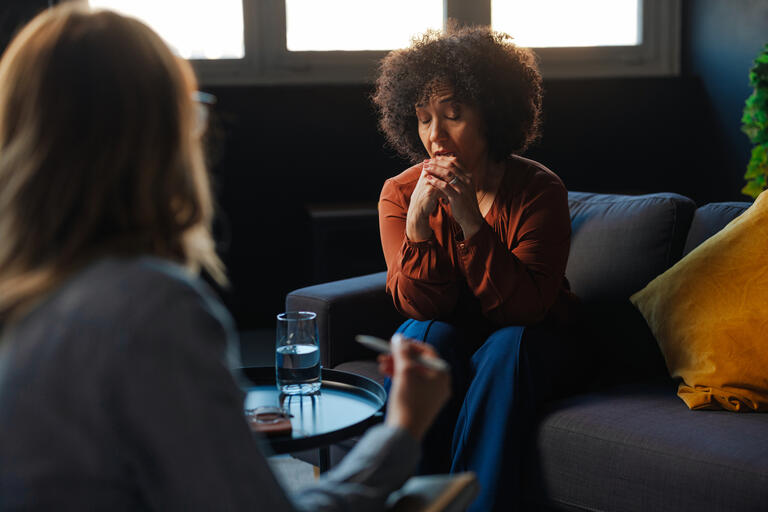
Clinical and Individual Support
These programs provide one-on-one or coordinated support tailored to individual needs.
Mental Health Support
Domestic Violence Response
Domestic Violence Response Teams at Sinai Hospital, Grace Medical Center, Northwest Hospital’s DOVE Program, and Carroll Hospital offer free and confidential support for people experiencing abuse from a partner, also known as intimate partner violence.
Our responders meet privately with patients to talk through safety concerns, discuss options and explain resources available both inside and outside the hospital.
Support does not end when you leave the hospital. Many people continue working with our team afterward, especially when they need help with next steps such as legal protections or community‑based services.
Learn More Domestic Violence (DOVE) Program Call DOVE at 410-496-7555
Child Advocacy Center
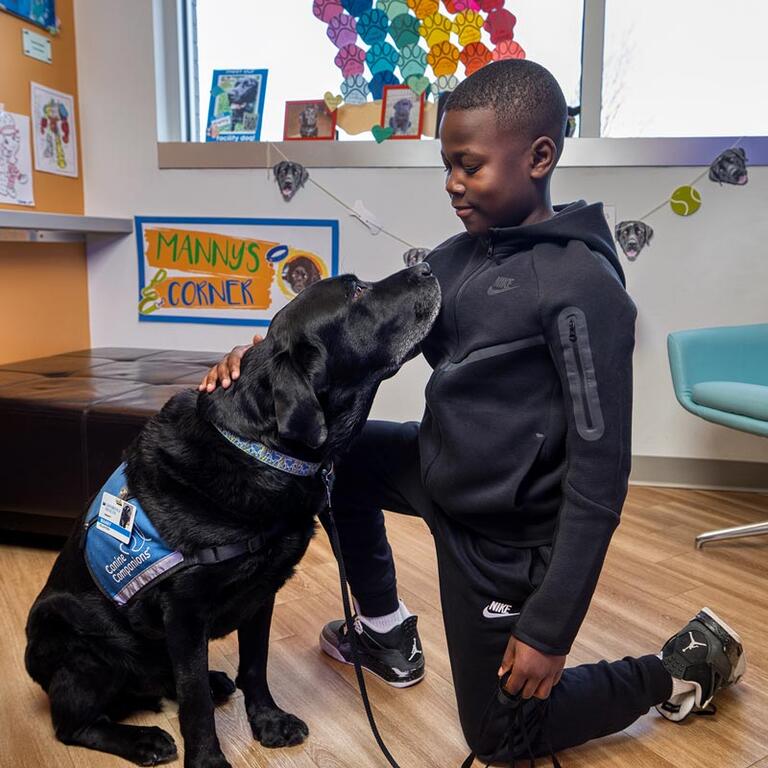
The Child Advocacy Center is a safe, child‑friendly place where children and families can get help after a report of suspected abuse has been made to Child Protective Services or law enforcement.
Medical care, mental health therapy and follow‑up services are provided in one place to reduce stress and support healing. Instead of repeating their story to multiple social services agencies and law enforcement, children speak with a trained forensic interviewer while their caregivers meet with our family advocate, who explains the investigation process and available support.
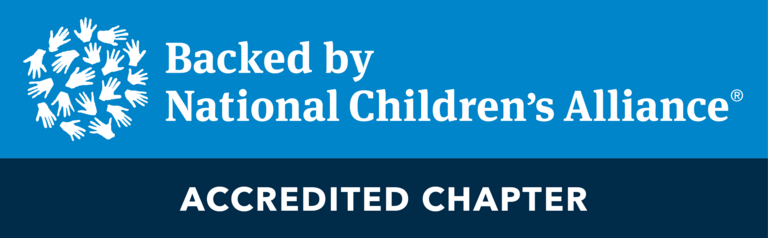
Center for Hope’s Child Advocacy Center is accredited by the National Children’s Alliance (NCA), reflecting our adherence to nationally recognized best practices in child abuse response. NCA accreditation requires demonstrated excellence in multidisciplinary teamwork, trauma-informed care, victim-centered services and case review—ensuring that every child and family we serve receives a consistent, high-quality and compassionate response.
Formed in 1987, Center for Hope is the third-oldest center in the nation and the first in the state of Maryland.
Elder Justice Program
The Elder Justice Program supports older adults who may be experiencing abuse, neglect, financial exploitation or other forms of harm.
Our team works closely with healthcare providers, Adult Protective Services, law enforcement, legal partners and community organizations. Together, we help older adults and their families address safety concerns, navigate complex systems and connect to resources that support safety, dignity and independence.
Services may include bedside and community-based outreach, safety planning, care referrals, advocacy, court accompaniment and community education.
Group and Community-Based Programs
These programs offer connection and structured group support. To learn more or join a program, please email cfh_paave@lifebridgehealth.org.
Remote video URL
PAAVE (Pathways to Advocacy Against Violence Every Day)
PAAVE supports children and families in Baltimore City who have experienced violence, witnessed a violent event or live in a high-crime area.
The program provides ongoing case management, outreach, and advocacy to help participants navigate both immediate needs and longer-term challenges after violence.
PAAVE works closely with families over time to connect them to services, strengthen support systems and reduce the risk of further harm.
Survivors of Homicide
PAAVE’s Survivors of Homicide group provides a safe space for survivors to process their grief with others who have had similar experiences.
The group meets once a month and is facilitated by a licensed clinical professional. Participants share a meal and take part in an activity that encourages discussion, validates feelings and offers tools for continued healing.
HEAL (Healing, Elevating, Analyzing, Learning)
HEAL is a group program for children and adults who want support as they work through the effects of trauma.
Participants meet twice a month, every other Wednesday, in a safe and welcoming space to talk, listen and learn from one another. Through guided conversations and practical activities, the group helps people better understand their experiences, build coping skills and feel less alone.
KUJI Youth Radio
KUJI Youth Radio is an after‑school program for co-ed youth ages 13-17 in Baltimore City who have been exposed to violence and want a space to express themselves.
Participants produce films, podcasts and other creative projects that explore community topics, including violence and ways to prevent it. Along the way, they build skills in media arts, strengthen critical thinking, and gain confidence discussing issues that affect the people around them.
DIVAS (Developing Inner Values to Acquire Success)
DIVAS is a 30‑week program for young women ages 13 to 17 who have experienced some form of trauma after exposure to violence or abuse.
Sessions are held weekly from late September through early June. They offer a supportive space for participants to:
- Learn about personal safety
- Build confidence and self-esteem
- Set personal goals and explore their strengths
- Develop communication skills
- Practice teamwork and conflict resolution
DIVAS uses fun activities, workshops and field trips to support personal growth while helping young women build connections, a sense of sisterhood and ties to their community.
Frequently Asked Questions
What is trauma recovery?
Trauma recovery is the process of healing after experiencing violence or another distressing event. It often involves processing emotions, building coping skills, and finding ways to feel safe and stable again over time.
Recovery looks different for everyone and may include counseling, group support or other structured programs.
How do I know if I could benefit from a trauma recovery program?
You may benefit from a trauma recovery program if you are still feeling the effects of a past experience, such as stress, anxiety, grief or difficulty coping in daily life.
Support is available at any stage. Some people seek help shortly after an event, while others reach out months or years later. Center for Hope’s trauma recovery programs are designed to meet people where they are, whether they are just beginning to process what happened or have been coping with it for some time.
How do I know which program is right for me or my family?
The right program depends on your needs, age and the type of support you’re looking for. Some programs focus on individual care, while others provide group support or are designed for specific experiences.
Our team can help you explore your options and find a program that feels like a good fit.
Do I have to be ready to talk about what happened?
No. You can participate at your own pace and choose what, if anything, you want to share.
Some people talk openly, while others prefer to listen or engage through activities. Programs are designed to respect each person’s comfort level.