""

Crisis Response

Report Abuse  Alert icon 


If you or someone you care about is in immediate danger:


  • Call 911
  • Call the 988 Suicide & Crisis Lifeline
  • Contact Child Protective Services (CPS): 1-800-917-7348


Reports of child abuse, neglect or trafficking of a minor must be made to authorities.  

Center for Hope provides support after a report has been made or during medical care. 

Crisis Response

Center for Hope’s crisis response programs help address current safety concerns, whether tensions are rising, a threat has been made or someone has been hurt. 


These services are designed for people facing: 

  • Violence
  • Domestic violence (DV) or intimate partner violence (IPV)
  • Child abuse or neglect
  • Human trafficking and exploitation
  • Elder abuse

Our crisis responders in Greater Baltimore provide early support, skilled care and connections to services that support ongoing recovery.

Hospital-Based Violence Response Teams

Specially-trained Violence Response Teams are available 24/7 at Sinai Hospital, Grace Medical Center, Northwest Hospital and Carroll Hospital to provide immediate support to patients affected by violence. 


These teams help address safety concerns, offer emotional support and connect patients to resources. They also help reduce the impact of trauma and encourage recovery after patients leave the hospital.
Domestic Violence Response

Domestic Violence Response Teams at Sinai Hospital, Grace Medical Center, Northwest Hospital’s DOVE Program, and Carroll Hospital offer free and confidential support for people experiencing abuse from a partner, also known as intimate partner violence.


Our responders meet privately with patients to talk through safety concerns, discuss options and explain resources available both inside and outside the hospital.


Support does not end when you leave the hospital. Many survivors continue working with our team afterward, especially when they need help with next steps such as legal protections or community‑based services.

Learn More     Domestic Violence (DOVE) Program     Call DOVE at 410-496-7555

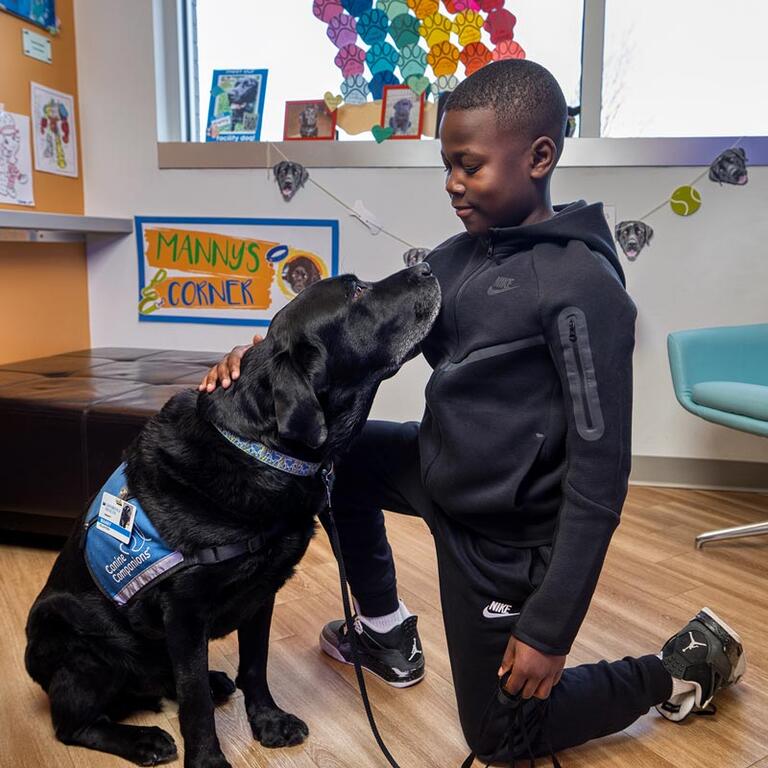
Child with a therapy animal

Child Advocacy Center

The Child Advocacy Center is a safe, child‑friendly place where children and families can get help after a report of suspected abuse has been made to Child Protective Services or law enforcement.


Medical care, mental health therapy and follow‑up services are provided in one place to reduce stress and support healing. Instead of repeating their story to multiple social services agencies and law enforcement, children speak with a trained forensic interviewer while their caregivers meet with our family advocate, who explains the investigation process and available support.

Backed by National Children's Alliance - Accredited Chapter

Center for Hope’s Child Advocacy Center is accredited by the National Children’s Alliance (NCA), reflecting our adherence to nationally recognized best practices in child abuse response. NCA accreditation requires demonstrated excellence in multidisciplinary teamwork, trauma-informed care, victim-centered services and case review—ensuring that every child and family we serve receives a consistent, high-quality and compassionate response.  


Formed in 1987, Center for Hope is the third-oldest center in the nation and the first in the state of Maryland. 

Elder Justice Program

The Elder Justice Program supports older adults who may be experiencing abuse, neglect, financial exploitation or other forms of harm.


Our team works closely with healthcare providers, Adult Protective Services, law enforcement, legal partners and community organizations. Together, we help older adults and their families address safety concerns, navigate complex systems and connect to resources that support safety, dignity and independence.


Services may include bedside and community-based outreach, safety planning, care referrals, advocacy, court accompaniment and community education.

Mental Health Support

Center for Hope’s Mental Health Program provides counseling for children, adults and families who have experienced trauma from violence. Our team uses proven methods to help people cope, manage stress and start healing.

Medical Services

Medical evaluations are available for children and adolescents who may have experienced abuse or neglect, including those in foster care.


These visits are led by clinicians trained in trauma-informed care and are designed to be gentle and respectful. Evaluations can help document injuries, test for infections, provide reassurance and guide families toward the next steps in care.

Frequently Asked Questions

    What is crisis response?

    Crisis response provides immediate support for people who have experienced or are at risk of violence or abuse. It focuses on helping individuals stay safe, understand their options and access care right away.


    These services are designed to meet people where they are—whether in a hospital or another setting—and offer support during stressful or uncertain situations.

    Who can get crisis response services?

    At Center for Hope, crisis response services are available to children, teens, adults and families affected by violence or trauma. This includes people experiencing intimate partner violence, child abuse, human trafficking, elder abuse or other safety concerns.  


    For children and teens, services are typically provided after a report has been made to Child Protective Services or law enforcement, often through referral.  


    Our team works with individuals and families during medical care and in coordination with partner agencies to help them access support and next steps. 

    What is abuse?

    Abuse is behavior that is used to harm, threaten, manipulate or control another person. It can affect people of all ages, including children, teens, adults and older adults. 


    Abuse may be physical, emotional, psychological or sexual, and it can happen once or as part of an ongoing pattern of behavior.

    What is the difference between domestic violence and intimate partner violence?

    On our website, we use the terms domestic violence and intimate partner violence interchangeably when referring to abuse by a current or former partner. 


    Both terms describe a pattern of behaviors used to gain power and control in a romantic or dating relationship. While domestic violence is a broader term that can also include violence between family members, intimate partner violence specifically refers to abuse within a current or former romantic relationship, regardless of whether the individuals live together.

    How do I report abuse in Maryland?

    If you or someone you know is in immediate danger, call 911 or the 988 Suicide & Crisis Lifeline.


    To report suspected child abuse, neglect, vulnerable adult abuse or exploitation in Maryland, contact Child & Adult Protective Services at 1-800-917-7383.


    For more information about when and how to report abuse, mandated reporter requirements, and training and educational resources, click here.

    What happens when I meet with a crisis responder?

    When you meet with a crisis responder, their main concern is your immediate safety and well-being. They might ask about your situation, conduct a physical or mental health exam, help you think through next steps and connect you with support.  


    These meetings are supportive and centered on your needs. You can share as much or as little as you feel comfortable.  

    Do I have to report to law enforcement to get help?

    It depends on the situation.  


    For adults experiencing violence or abuse, you can receive support without involving law enforcement. Our responders can help you understand your options, but the choice to report is always yours. 


    For situations involving child abuse, neglect or trafficking of a minor, reports must be made to CPS or law enforcement. 

    What happens after I leave the hospital or initial visit?

    Support can continue after your initial visit. Many people stay connected with crisis response teams for help with next steps, such as safety planning, counseling, legal options or referrals to specialists and community resources.