
Emergency Department or Urgent Care: How to Know Where to Go
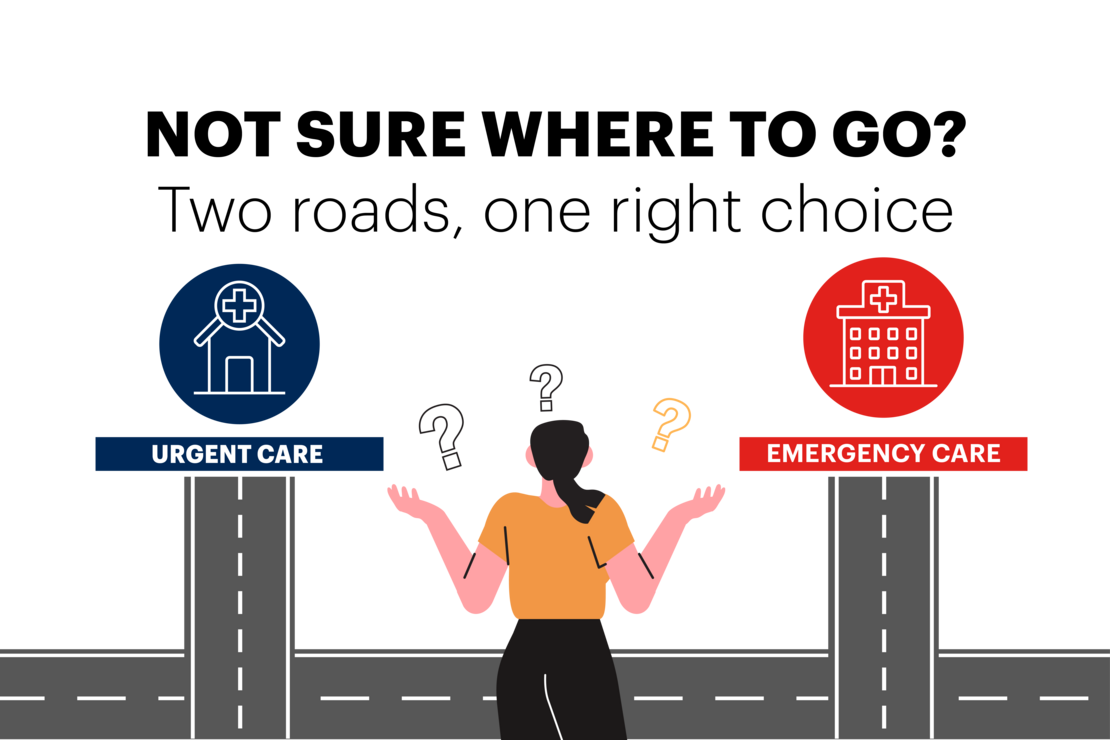
When illness or injury strikes, your first instinct might be to go to the nearest emergency department. It’s familiar, safe and fully equipped to handle serious medical situations. But before you make the trip, take a moment to really consider your symptoms. Another care option can often help you faster (and just as well).
If your symptoms are not life-threatening, you may save time and money by calling your primary care provider or visiting an urgent care center. And if you’re not sure which symptoms are life-threatening, we can help.
Emergency Department: Care for Life- and Limb-Threatening Conditions
The emergency department is built for the most serious medical needs. It is the right place to go for life-threatening emergencies that could lead to permanent injury, disability or death.
Call 911 if symptoms are sudden, severe or prevent you from safely getting to the hospital. Go directly to the emergency department if immediate care is needed and you can get there safely on your own.
Life-threatening symptoms include:
- Trouble breathing or stopped breathing
- Chest pain or pressure, especially if pain spreads to the arm or jaw
- Fainting or loss of consciousness
- Sudden confusion, trouble speaking or vision changes
- Weakness or drooping on one side of the body
- Severe head injury
- Injury to the neck or spine, especially with loss of movement or feeling
- Heavy bleeding that will not stop
- Broken bones with bone visible
- Deep wounds, serious burns or electric shock
- Severe allergic reactions
- Ongoing vomiting or diarrhea
- Poisoning or drug or alcohol overdose
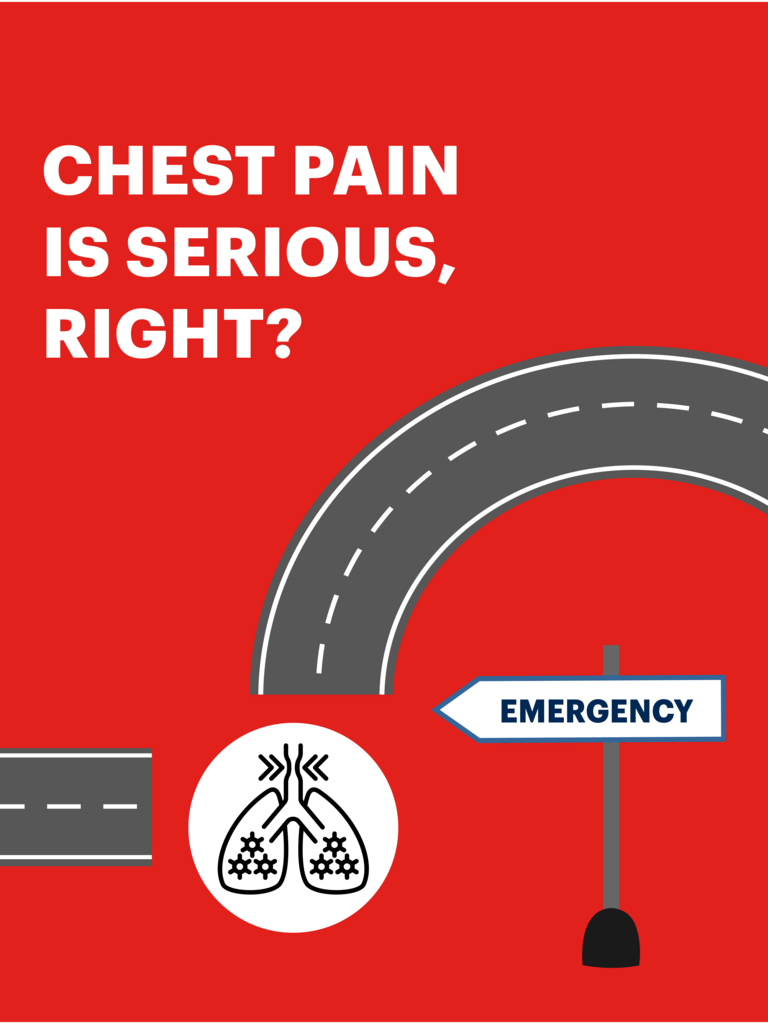
If something feels dangerous or is rapidly worsening, the emergency department is always the safest choice.
Urgent Care: Quick Treatment for Non-Emergency Needs
Urgent care centers treat illnesses and injuries that need attention soon but are not life-threatening. They are a good option when your primary care provider is unavailable or when care is needed outside regular office hours.
ExpressCare, a LifeBridge Health partner, offers both in-person and virtual urgent care. For many conditions, urgent care visits are faster and more affordable than emergency care.
Visit an urgent care center for:
- Cold, flu and other viral illnesses
- Ear and sinus infections
- Bronchitis, pneumonia and asthma flare-ups
- Rashes and mild allergic reactions
- Nausea, vomiting, diarrhea or dehydration
- Bladder infections
- Minor illnesses in children
- Cuts, scrapes and minor burns
- Sprains, strains and simple fractures
- Neck and back pain
- Skin infections or abscesses
- Insect bites and stings
- Suture or staple removal
- Work-related services, such as physicals and screenings
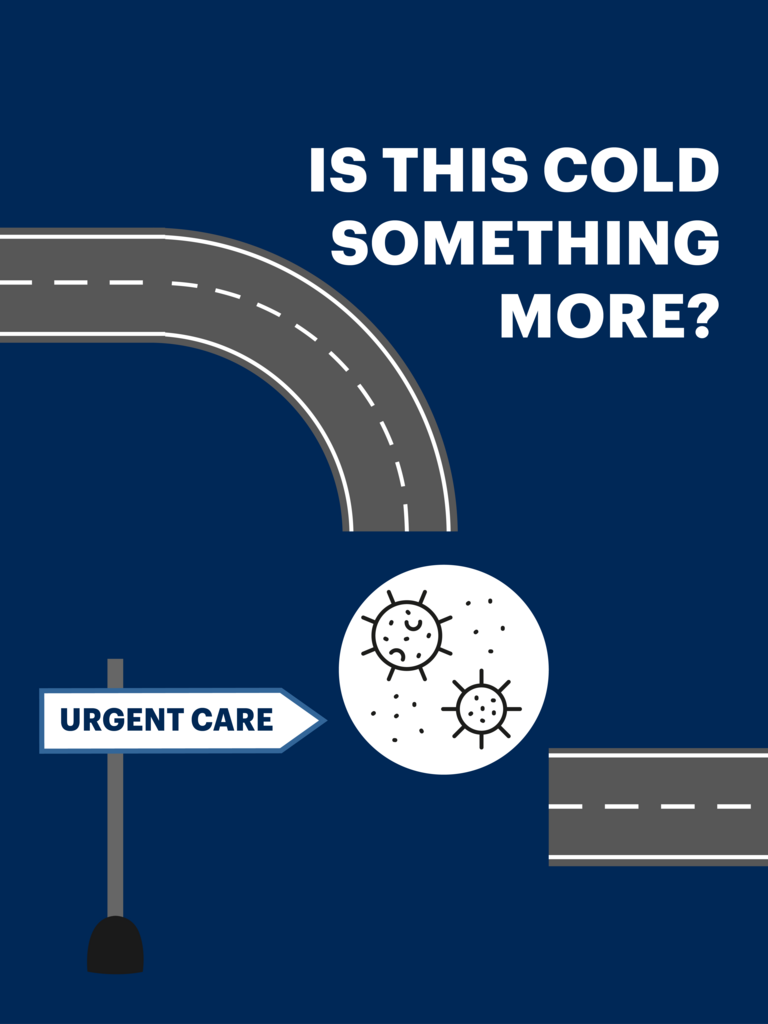
If a higher level of care is needed, your provider will guide you to the emergency department.
Primary Care: A Trusted Place to Start
Your primary care provider knows your health history and can be a helpful first call when a health concern comes up.
In many cases, your provider can:
- Offer guidance by phone
- Help determine whether urgent care or the emergency department is needed
- See you in the office or schedule a same-day or next-day visit
Keeping your provider’s contact information saved can make it easier to decide what to do next. If you do not have a primary care provider, urgent care is a good option for non-emergency needs.
Prepared for Every Kind of Care
Health concerns don’t always give you time to think. Knowing your options ahead of time can help you act faster and feel more confident when it matters most.
When symptoms are severe, choose the emergency department. When minor ailments need quick attention, urgent care can help. And when you’re unsure, your primary care provider can guide the way.
You don’t have to make these decisions alone.