
Sinai Hospital begins using first FDA-authorized AI diagnostic tool for sepsis
Every minute matters when a patient develops sepsis, one of the nation’s deadliest medical emergencies, as early intervention may help stave off the body’s over reaction to infection, which often leads to septic shock and organ failure. Now, artificial intelligence technology that Sinai Hospital researchers played a role in developing is helping physicians to identify patients earlier who may be at risk for developing sepsis.
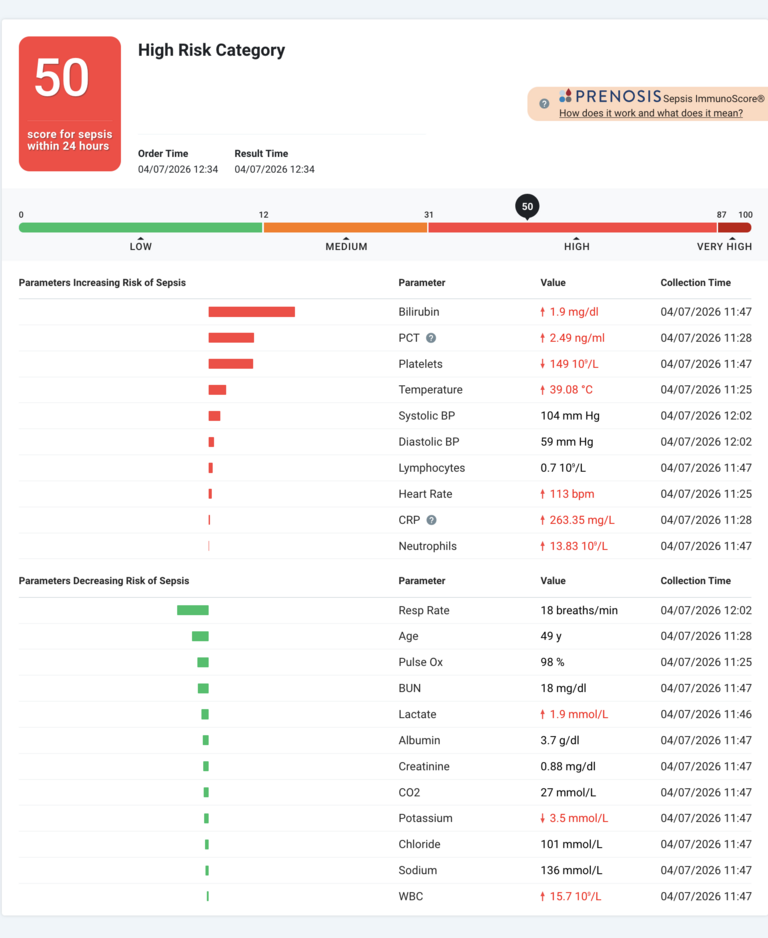
Clinical teams at Sinai are now using Sepsis ImmunoScore®, the nation's first FDA-authorized artificial intelligence diagnostic tool for sepsis. The tool analyzes up to 22 clinical and laboratory measurements to identify patterns that may indicate a patient has or is at risk of developing sepsis within 24 hours.
A Race Against Time
Sepsis can progress quickly as the body's response to an infection injures its own tissues and organs. Every year, at least 1.7 million adults develop sepsis in the United States and at least 350,000 die during their hospitalization or are discharged to hospice, according to the Centers for Disease Control and Prevention (CDC). Additionally, the CDC says one in three adults who dies in a hospital had sepsis during their hospital stay.
Sepsis can be difficult to identify because it can look like many other illnesses, particularly in its early stages. As there is no single test that can immediately confirm sepsis, physicians rely on clinical evaluation and laboratory findings while blood cultures are processed, a process that may take several days.
"Sepsis is notoriously difficult to diagnose early because its signs can mimic many other serious illnesses," says Dr. Gregory Corcoran, chief of emergency medicine at LifeBridge Health. "Anything that helps physicians identify patients at risk sooner can make a meaningful difference in how quickly treatment begins."
Sepsis ImmunoScore from Prenosis provides clinicians with another source of information during that critical window. The tool generates a risk score to help clinicians assess whether a patient is at risk for sepsis within the next 24 hours. It is used alongside clinical assessments, laboratory findings and physician judgment.
"The greatest benefit of this technology extends beyond the emergency department," says Dr. Corcoran. "By providing additional diagnostic confidence early, it helps physicians make more informed decisions as patients transition from the ED to inpatient care. That can reduce unnecessary antibiotic treatment for patients who don't have sepsis while helping us identify those who do before their condition worsens."
The technology is easy for clinicians to use. It’s integrated into Sinai Hospital's electronic medical record, doesn’t create extra steps for clinicians and allows them to access results as part of the patient's existing care.
From Sinai Research to the Bedside Sinai Hospital played a key role in developing Sepsis ImmunoScore years before it became available for clinical use. Sinai was one of 10 research centers nationwide that contributed patient samples to a database of more than 100,000 samples used to develop and validate the technology. LifeBridge Health researchers also contributed to the foundational research supporting its FDA authorization.
The Department of Research at LifeBridge Health and the Sinai Center for Thrombosis Research partnered with multiple clinical divisions across Sinai to mobilize and support this important research initiative. This collaboration reflects the health system's ongoing commitment to advancing clinical innovation and scientific discovery. Through these efforts, LifeBridge Health researchers continue to drive meaningful advancements that enhance patient care and improve the health of the communities we serve.
"Our physicians and researchers helped lay the foundation for this new sepsis technology, and it’s gratifying that now our clinical teams are using it to help identify one of medicine's most time-sensitive conditions," says Charles Albrecht III, M.D., chief medical officer at Sinai Hospital. "Earlier recognition of sepsis can make a critical difference for patients."
LifeBridge Health plans to evaluate the technology's impact on patient outcomes, including treatment, length of stay, mortality and readmissions, and may expand its use to other LifeBridge Health hospitals.
About LifeBridge Health
LifeBridge Health is one of Maryland's largest health care systems, with more than 2 million patient encounters annually through Sinai Hospital, Northwest Hospital, Carroll Hospital, Grace Medical Center, Levindale Hebrew Geriatric Center and Hospital and more than 130 care locations throughout the region.